
Future 3D Design Industry Development Trends In-Depth Prediction: 2025-2030 Transformation Roadmap
The 3D design industry stands at a critical juncture of historic transformation. New technologies such as AI generation, real-time rendering, metaverse, and Web3D are reshaping the entire industry landscape. This article will provide in-depth analysis of 3D design industry development trends for the next 5 years, offering strategic guidance for industry participants.

Technology-Driven Industry Transformation
Deep Integration of AI Technology
Explosive Development of Generative AI
By 2025, the quality of AI-generated 3D models will reach professional standards. Generative AI technologies represented by platforms like Open3D.art will achieve the following breakthroughs:
- Second-Level High-Quality Generation: Complex model generation time will reduce from current 30 seconds to under 5 seconds
- Multi-Modal Input Fusion: Support for text, images, voice, gestures and other input methods
- Style Consistency Guarantee: AI will maintain project-level style uniformity
- Parametric Precise Control: Users can precisely control every detail parameter of models
Popularization of AI-Assisted Design

By 2026, over 90% of 3D design work is expected to integrate AI-assisted functions:
- Intelligent material recommendations and automatic application
- Real-time design suggestions and optimization prompts
- Automated technical problem detection and repair
- Intelligent project management and resource allocation
Real-Time Rendering Technology Revolution
Leap-Forward Hardware Performance Enhancement
New generation GPUs and dedicated AI chips will bring revolutionary rendering capability improvements:
- Ray Tracing Popularization: Real-time ray tracing will become standard
- AI Super-Resolution: Low-resolution rendering + AI upscaling achieving high-quality real-time effects
- Cloud Rendering: Cloud computing-based distributed rendering dramatically lowering hardware barriers
WebGL and Web3D Maturation
Continuous browser 3D performance improvements will bring new application models:
- Professional-grade 3D applications requiring no installation
- Cross-platform collaboration and presentation
- Lightweight mobile 3D experiences
Application Scenario Expansion and Deepening
Metaverse and Virtual World Construction
Virtual Space Design Explosion
Metaverse concept implementation will create enormous 3D design demand:
- Virtual Real Estate: Surging design demand for digital land and buildings
- Virtual Commercial Spaces: Brand display and interactive spaces in virtual worlds
- Social Virtual Environments: User-customized personal virtual spaces
Digital Twin Technology Popularization

By 2027, digital twins will be widely applied in:
- Smart city planning and management
- Industrial equipment monitoring and maintenance
- Healthcare and life sciences
- Education, training and skill transfer
Rise of Immersive Media
VR/AR Content Creation
With VR/AR device popularization, related content demand will grow explosively:
- VR Games and Entertainment: Immersive gaming and entertainment content
- AR Applications: Augmented reality commercial and educational applications
- Mixed Reality: New interactive experiences combining virtual and real
Spatial Computing Era
Launch of devices like Apple Vision Pro marks the arrival of the spatial computing era:
- 3D interface design will become a new professional field
- Spatial interaction designers will become hot careers
- Traditional graphic design will transform toward 3D spatial design
Intelligent Revolution in Workflows
Transformation of Collaboration Methods
Cloud Collaboration Platform Maturation
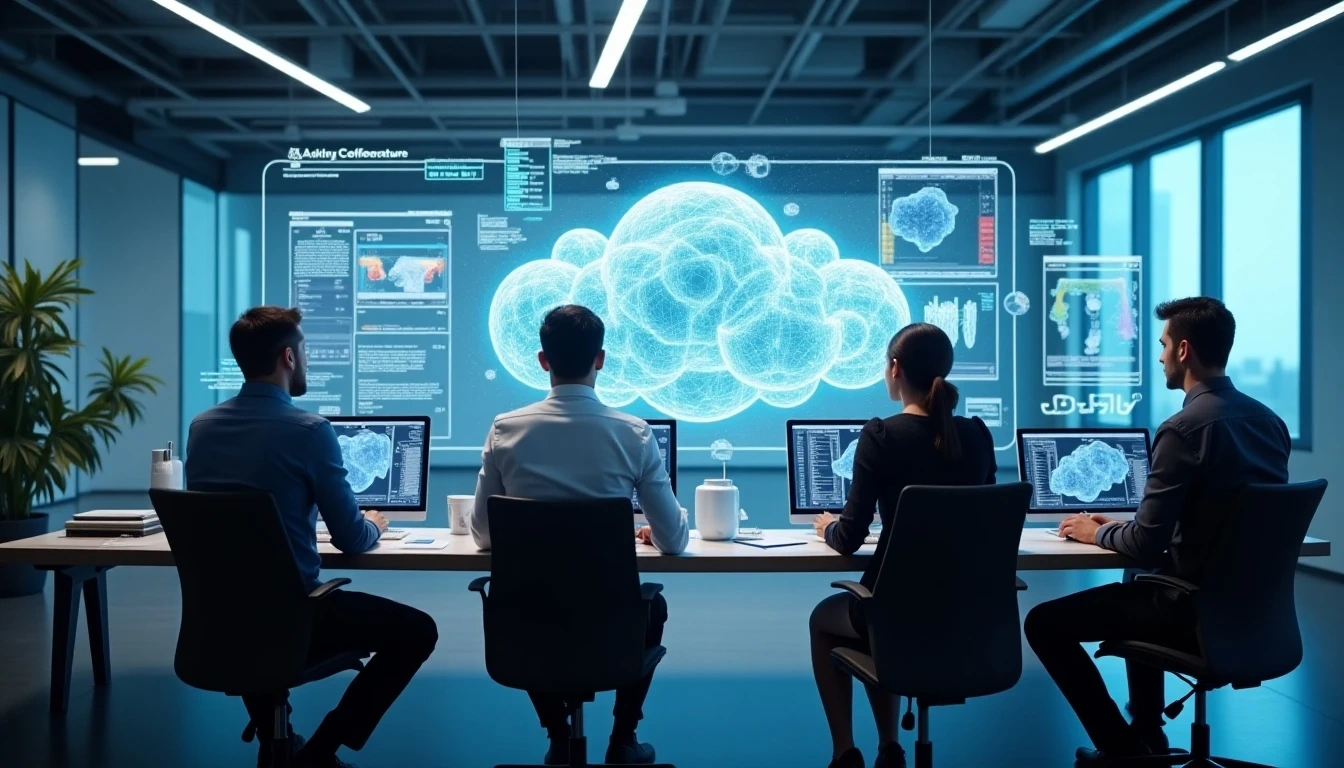
Future 3D design will be completely cloud-based:
- Real-Time Multi-Person Collaboration: Multiple people simultaneously editing the same 3D scene
- Automated Version Control: AI automatically managing versions and merging conflicts
- Cross-Regional Team Collaboration: Seamless collaboration of globalized design teams
AI Project Management Assistant
Intelligent project management will significantly improve efficiency:
- Automatic task assignment and progress tracking
- Intelligent resource scheduling and optimization
- Predictive risk management
- Automated quality inspection
Design Process Automation
Concept to Product Automation
AI will achieve high automation of design processes:
- Concept Design: Automatically generate design solutions based on requirements
- Detailed Design: Automatically refine and optimize design details
- Technical Implementation: Automatically generate technical documentation and implementation plans
- Quality Control: Automatically detect and repair technical issues
Convergence Applications of Emerging Technologies
Impact of Blockchain and NFT
Digital Asset Rights Confirmation
Blockchain technology will bring new business models to 3D design:
- NFT-ization and trading of 3D models
- Automatic protection of designer copyrights
- Decentralized design asset markets
- Smart contract automatic revenue sharing
Integration of IoT and 3D Design
Smart Product Design
IoT device popularization will drive 3D design toward intelligence:
- Digital representation and control of products
- Real-time data visualization design
- Smart interactive interface design
- Predictive maintenance visualization
Potential Impact of Quantum Computing
Ultra-Large-Scale Scene Rendering
Though still in early development, quantum computing may bring:
- Real-time rendering of ultra-complex scenes
- Quantum algorithm-optimized AI generation
- Completely new computational paradigms and tools
Industry Ecosystem Reconstruction
Accelerating Platform Trends
One-Stop Design Platforms
Future comprehensive platforms covering full processes will emerge:
- Complete tool chains from concept design to final delivery
- AI-assisted full-process automation
- Rich resource libraries and templates
- Powerful collaboration and management functions
Ecosystem Formation
Complete ecosystems will form around core platforms:
- Third-party plugins and extensions
- Professional service providers
- Educational and training institutions
- Developer communities
Business Model Innovation
Subscription Service Models
Software sales will transform toward service subscriptions:
- Flexible billing based on usage
- Continuous updates and feature iterations
- Personalized service customization
- Data-driven service optimization
Emerging Revenue Models
- Platform-based designer services
- AI-generated content copyright trading
- Virtual asset design and sales
- Education, training and consulting services
Structural Changes in Talent Demand
Emerging Professional Roles
AI Prompt Engineers
Professionals specifically responsible for optimizing AI generation effects:
- Deep understanding of AI model characteristics
- Developing standardized prompt libraries
- Training teams in AI tool usage
- Continuously optimizing generation quality
Virtual World Architects
Professionals designing and building virtual worlds:
- Overall planning of virtual spaces
- User experience design optimization
- Technical architecture selection and implementation
- Virtual economic system design
XR Interaction Designers
Designers focused on extended reality interactive experiences:
- Spatial interface design
- Gesture and voice interaction
- Multi-sensory experience design
- Accessibility design
Evolution of Skill Requirements
Compound Skill Demands
Future 3D designers need to master more diverse skills:
- Technology + Art: Both technical capabilities and artistic literacy
- Design + Business: Understanding business needs and market trends
- Local + Global: Adapting to globalized collaboration models
- Traditional + Innovation: Embracing new technologies while mastering traditional skills
Regional Development Differences and Opportunities
Technological Leadership in Developed Countries
North America
- Continuing leadership in AI and cloud computing technologies
- Large tech companies driving industry standard formulation
- Mature investment environment promoting innovation
Europe
- Focus on data protection and algorithmic ethics
- Clear advantages in industrial design and architectural visualization
- Policy support driving digital transformation
Late-Mover Advantages in Emerging Markets
Asia-Pacific Region
- China's rapid development in AI applications and commercialization
- India's advantages in software services and talent cultivation
- Southeast Asia becoming new growth points
Development Opportunities
- Leapfrog technological adoption
- Localization demand-driven innovation
- Cost advantages attracting industry transfer
Challenge and Risk Analysis
Technical Challenges
Standardization Issues
- Compatibility between different platforms
- Industry standard formulation and promotion
- Quality assessment system establishment
Ethical and Legal Issues
- Copyright ownership of AI-generated content
- Data privacy and security protection
- Algorithm bias and fairness
Industry Challenges
Talent Supply-Demand Imbalance
- Transformation pressure for traditional skill talent
- Shortage of emerging skill talent
- Educational system lag
Intensified Market Competition
- Increased competition due to lowered technical barriers
- Platform monopolization risks
- Survival pressure for SMEs
Strategic Recommendations and Action Guidelines
Recommendations for Designers
Skill Development Strategy
- Embrace AI Technology: Immediately start learning and using AI tools
- Develop Compound Capabilities: Develop interdisciplinary comprehensive skills
- Build Personal Brand: Establish influence in professional fields
- Continuous Learning: Maintain sensitivity to new technologies
Career Planning Recommendations
- Choose promising niche areas for deep cultivation
- Establish diversified income sources
- Develop international perspectives and networks
- Focus on emerging technology application opportunities
Recommendations for Enterprises
Technology Investment Strategy
- Advance Planning: Start investing during early stages of new technology development
- Talent Reserves: Cultivate and attract compound talent
- Ecosystem Cooperation: Establish partnerships with platforms and technology companies
- Innovation Culture: Build corporate culture encouraging innovation and experimentation
Business Model Innovation
- Explore new service models based on AI and cloud computing
- Develop products for emerging application scenarios
- Establish data-driven decision mechanisms
- Expand international markets and cooperation
Recommendations for Policymakers
Policy Support Directions
- Formulate laws and regulations related to AI and digital economy
- Support R&D and application of related technologies
- Promote digital transformation of educational systems
- Facilitate international cooperation and standard setting
Future Outlook: 3D Design World in 2030
By 2030, the 3D design industry will exhibit the following characteristics:
Technical Features:
- AI generation will achieve photorealistic quality
- Real-time rendering will be completely popularized
- Cloud collaboration becomes mainstream model
- Cross-platform compatibility completely resolved
Application Features:
- Metaverse applications widely popularized
- Digital twin technology ubiquitous
- AR/VR become daily tools
- 3D content consumption universalized
Industry Features:
- Platform ecosystem completely mature
- Global collaboration becomes norm
- Emerging professional roles emerge massively
- Business models completely digitized
Social Features:
- 3D creation capability becomes basic skill
- Virtual and reality deeply integrated
- Digital creative economy flourishing
- New cultural forms continuously emerging
Summary: Seize Opportunities, Embrace the Future
The 3D design industry is experiencing an unprecedented period of transformation. New technologies such as AI, metaverse, and real-time rendering are reshaping the industry landscape and creating countless new opportunities.
For industry participants, the key is to:
- Maintain Sharp Technological Sensitivity: Timely track and learn new technologies
- Develop Adaptability to Change: Find opportunities amid uncertainty
- Build Forward-Looking Strategic Thinking: Advance planning for future trends
- Maintain Continuous Learning Habits: Stay competitive amid change
The future is here, transformation is happening. Those individuals and enterprises who can grasp trends, embrace change, and continuously innovate will achieve greater success in the new era.
Starting now, visit advanced platforms like Open3D.art to experience the AI-driven 3D design revolution. In this new era full of infinite possibilities, everyone has the opportunity to become a participant and beneficiary of transformation.