Future 3D Design Industry Development Trends In-Depth Prediction: 2025-2030 Transformation Roadmap
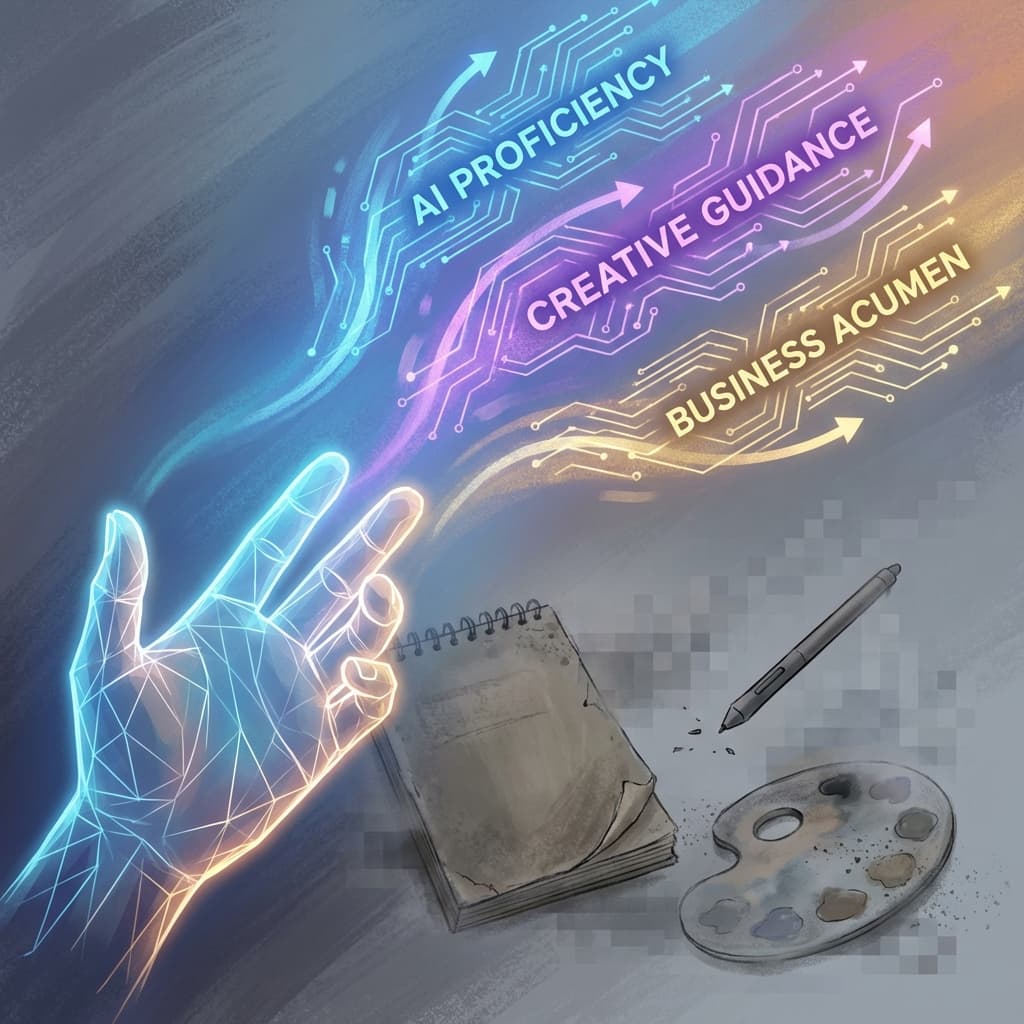
The 3D design industry stands at a critical juncture of historic transformation. New technologies such as AI generation, real-time rendering, metaverse, and Web3D are reshaping the entire industry landscape. This article will provide in-depth analysis of 3D design industry development trends for the next 5 years, offering strategic guidance for industry participants.
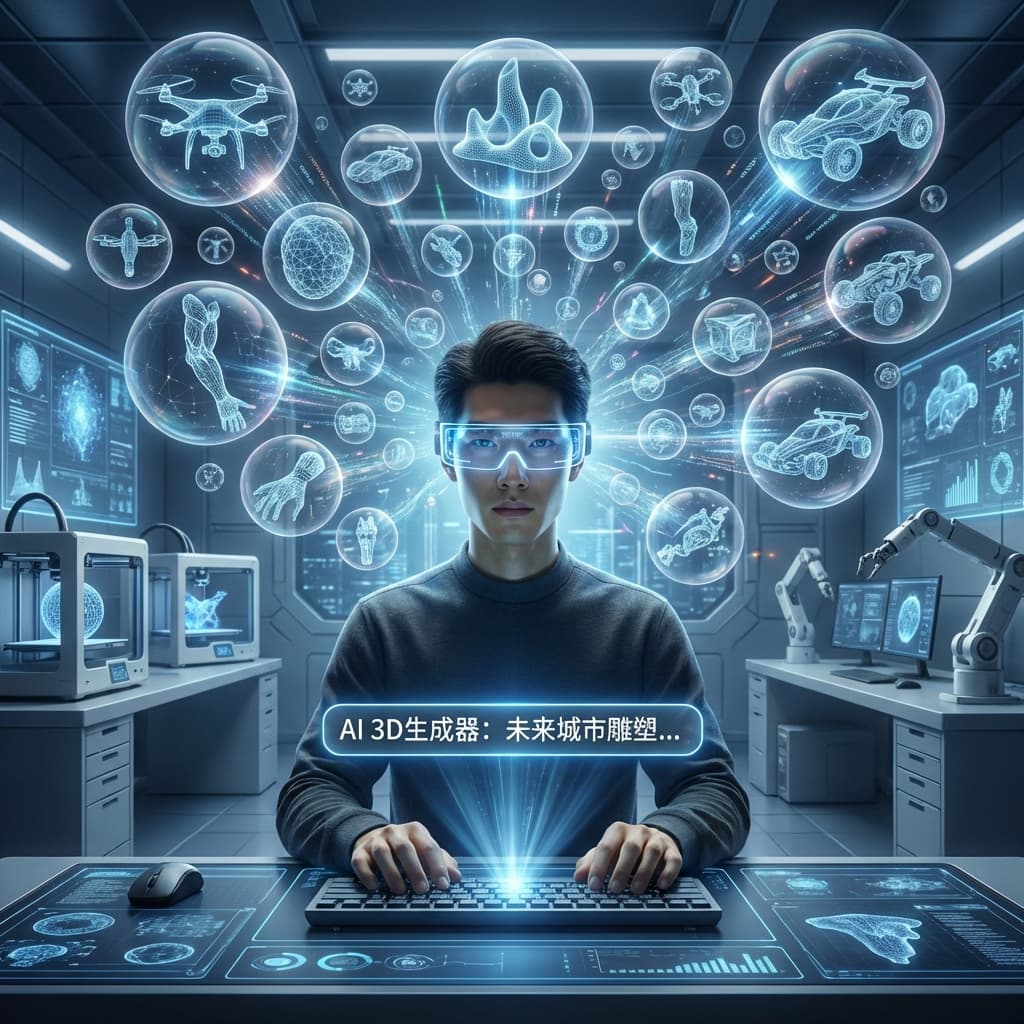
A conceptual image depicting the future 3D design industry, with interwoven abstract lines, glowing digital elements, cleverly integrated icons of AI, metaverse, and real-time rendering, presenting an overall high-tech feel.
Technology-Driven Industry Transformation
Deep Integration of AI Technology
Explosive Development of Generative AI
By 2025, the quality of AI-generated 3D models will reach professional standards. Generative AI technologies represented by platforms like Open3D.art will achieve the following breakthroughs:
Popularization of AI-Assisted Design
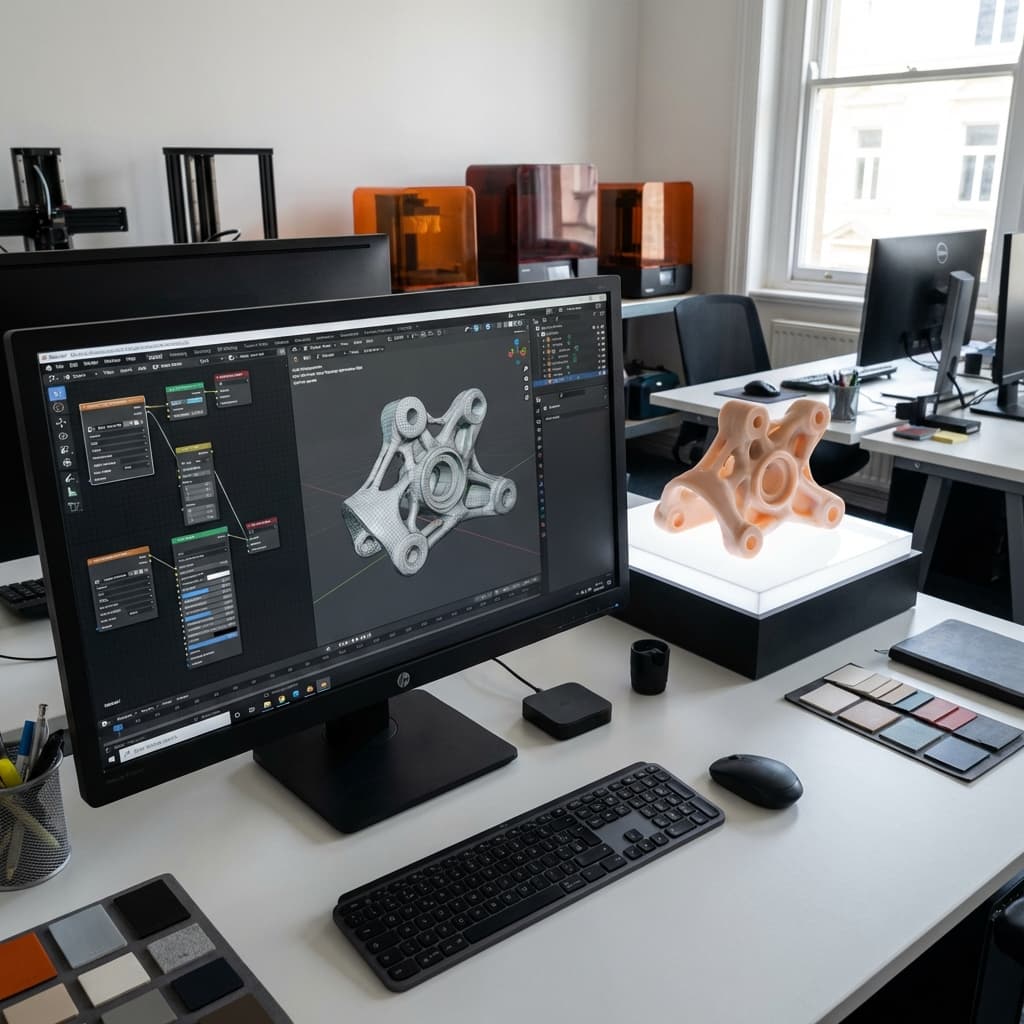
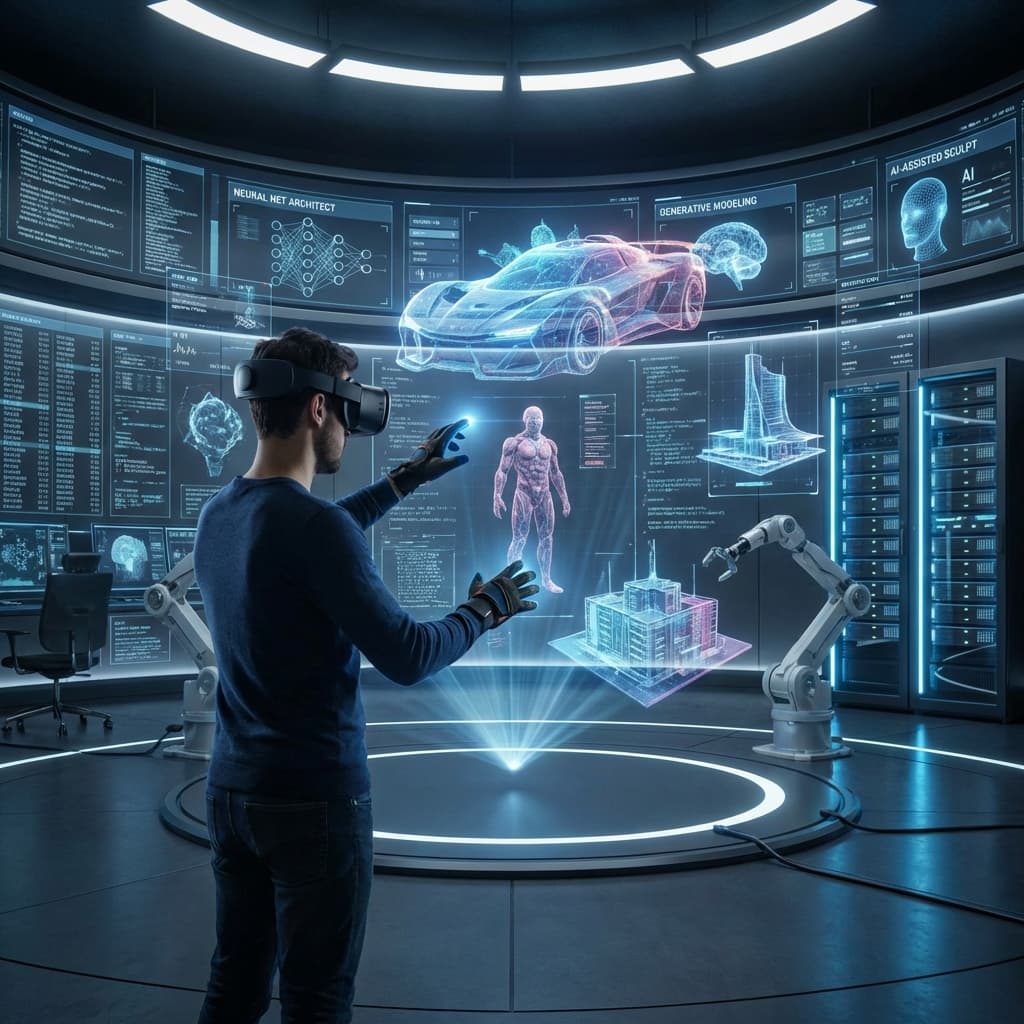
Generative AI creating complex 3D models from multimodal inputs like text, images, voice, and gestures, with a hand interacting with a holographic interface, flowing organic forms continuously evolving, futuristic studio environment with digital light traces.
By 2026, over 90% of 3D design work is expected to integrate AI-assisted functions:
Real-Time Rendering Technology Revolution
Leap-Forward Hardware Performance Enhancement
New generation GPUs and dedicated AI chips will bring revolutionary rendering capability improvements:
WebGL and Web3D Maturation
Continuous browser 3D performance improvements will bring new application models:
Application Scenario Expansion and Deepening
Metaverse and Virtual World Construction
Virtual Space Design Explosion
Metaverse concept implementation will create enormous 3D design demand:
Digital Twin Technology Popularization
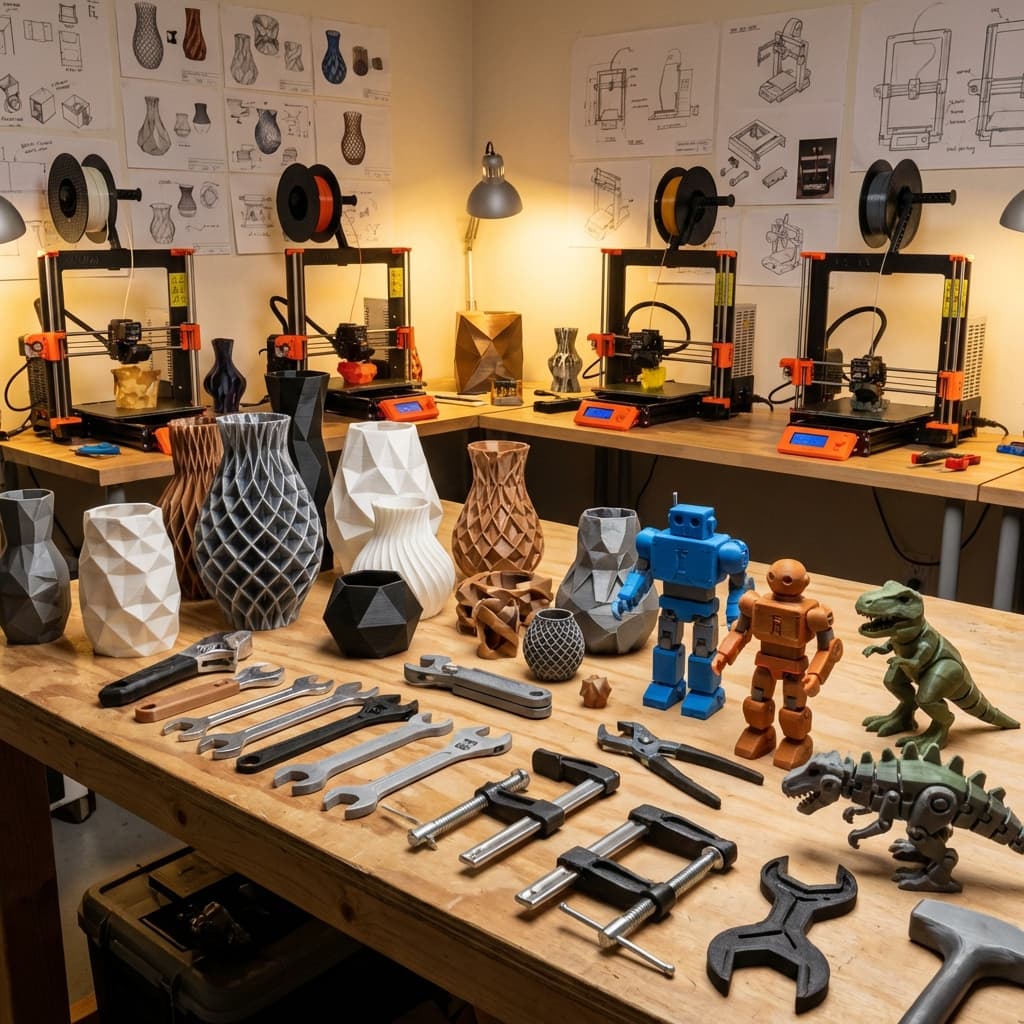
Immersive metaverse environment with virtual cityscape featuring unique architectural designs, virtual avatars interacting in vibrant digital spaces, with digital twin concepts of smart cities visible in the background, glowing network connections.
By 2027, digital twins will be widely applied in:
Rise of Immersive Media
VR/AR Content Creation
With VR/AR device popularization, related content demand will grow explosively:
Spatial Computing Era
Launch of devices like Apple Vision Pro marks the arrival of the spatial computing era:
Intelligent Revolution in Workflows
Transformation of Collaboration Methods
Cloud Collaboration Platform Maturation
A group of designers collaborating on a futuristic cloud-based 3D design platform, with multiple users real-time editing the same complex 3D model on screens, holographic displays, showcasing seamless global collaboration, bright and airy professional office environment.
Future 3D design will be completely cloud-based:
AI Project Management Assistant
Intelligent project management will significantly improve efficiency:
Design Process Automation
Concept to Product Automation
AI will achieve high automation of design processes:
Convergence Applications of Emerging Technologies
Impact of Blockchain and NFT
Digital Asset Rights Confirmation
Blockchain technology will bring new business models to 3D design:
Integration of IoT and 3D Design
Smart Product Design
IoT device popularization will drive 3D design toward intelligence:
Potential Impact of Quantum Computing
Ultra-Large-Scale Scene Rendering
Though still in early development, quantum computing may bring:
Industry Ecosystem Reconstruction
Accelerating Platform Trends
One-Stop Design Platforms
Future comprehensive platforms covering full processes will emerge:
Ecosystem Formation
Complete ecosystems will form around core platforms:
Business Model Innovation
Subscription Service Models
Software sales will transform toward service subscriptions:
Emerging Revenue Models
Structural Changes in Talent Demand
Emerging Professional Roles
AI Prompt Engineers
Professionals specifically responsible for optimizing AI generation effects:
Virtual World Architects
Professionals designing and building virtual worlds:
XR Interaction Designers
Designers focused on extended reality interactive experiences:
Evolution of Skill Requirements
Compound Skill Demands
Future 3D designers need to master more diverse skills:
Regional Development Differences and Opportunities
Technological Leadership in Developed Countries
North America
Europe
Late-Mover Advantages in Emerging Markets
Asia-Pacific Region