Login
Login
返回博客列表
Blog 2025-06-30 5 min read

3D Designer Career Transformation AI Era Survival Guide: Embrace Change or Be Left Behind?
O3
Open3D Team
作者
3D Designer Career Transformation AI Era Survival Guide: Embrace Change or Be Left Behind?

AI technology is reshaping the 3D design industry, and many designers face unprecedented career challenges. Will AI replace 3D designers? How to maintain competitiveness in the AI era? This article will provide you with a comprehensive career transformation guide to help you find new opportunities in the midst of change.

Current State of 3D Design Industry Under AI Impact

Real Impact of Technological Change

The proliferation of AI 3D generation technology has indeed significantly impacted traditional 3D design work. Platforms like Open3D.art enable non-professionals to generate professional-grade 3D models within 30 seconds, creating profound industry-wide effects.
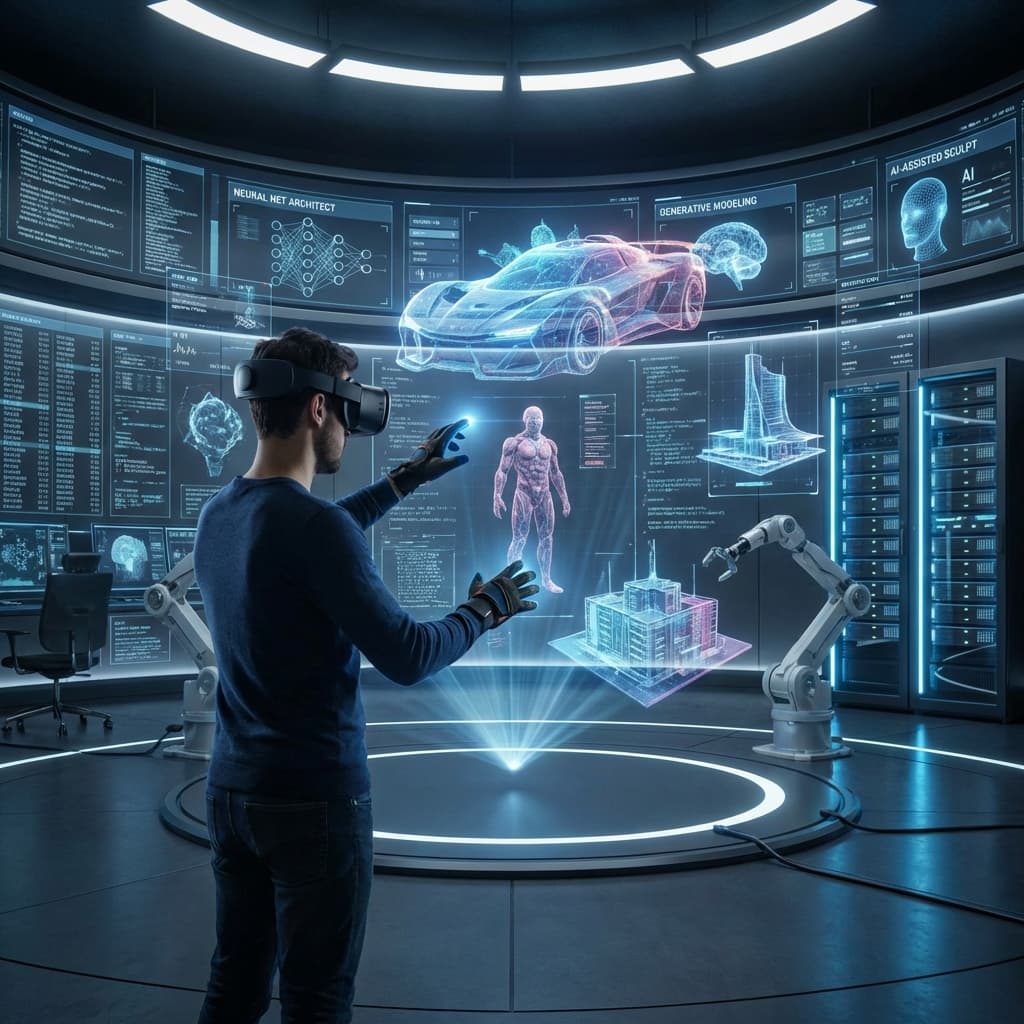
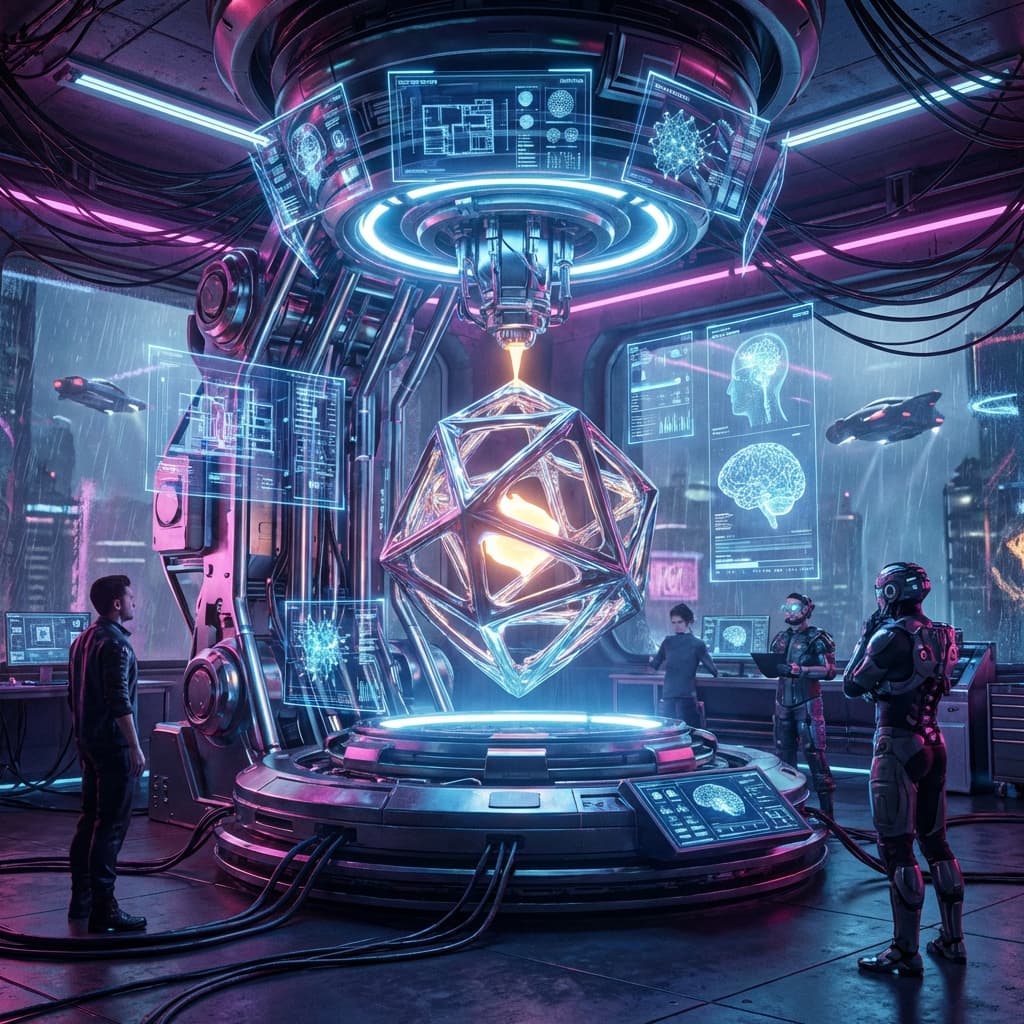
A 3D designer observing holographic 3D models, surrounded by AI tools and data streams, symbolizing AI integration in 3D design. The background is a futuristic high-tech studio.

A 3D designer observing holographic 3D models, surrounded by AI tools and data streams, symbolizing AI integration in 3D design. The background is a futuristic high-tech studio.

Directly Affected Job Types:

  • Standardized product modeling
  • Simple props and decoration creation
  • Batch asset generation
  • Entry-level concept design work
  • Relatively Safe Work Areas:

  • Complex character modeling and rigging
  • Precision industrial design
  • Art direction and creative decision-making
  • Technical guidance and quality control
  • Structural Changes in Market Demand

    While AI has lowered barriers to basic modeling, it has also created new market demands:

    New Demands:

  • AI tool usage guidance and training
  • Post-optimization of AI-generated content
  • Overall planning for complex projects
  • Cross-platform integration and technical integration
  • Growing Demands:

  • Creative guidance and artistic decision-making
  • User experience design
  • Technical solution design
  • Project management and coordination
  • Impact Analysis for Different Designer Levels

    A visual metaphor of skill transformation: a designer's hand reaching toward glowing abstract shapes representing "new skills" (AI proficiency, creative guidance, business acumen), with old, faded tools receding in the background. Dynamic, upward movement.

    A visual metaphor of skill transformation: a designer's hand reaching toward glowing abstract shapes representing "new skills" (AI proficiency, creative guidance, business acumen), with old, faded tools receding in the background. Dynamic, upward movement.

    Junior Designers: Greatest Impact and Opportunity

    Challenges Faced:

  • Basic modeling work replaced by AI
  • Single skills leading to decreased competitiveness
  • Higher entry barriers requiring more comprehensive skills
  • Transformation Opportunities:

  • Learn AI tool usage, become "AI+Design" composite talent
  • Specialize in specific niches to create differentiation advantages
  • Shift toward creative planning and user research
  • Action Recommendations:

    1. Immediately start learning mainstream AI tools

    2. Choose a professional direction for deep development

    3. Cultivate communication and project management abilities

    4. Build personal portfolio and brand

    Mid-Level Designers: Critical Period for Skill Restructuring

    Current Advantages:

  • Solid technical foundation
  • Understanding of project workflows and quality standards
  • Accumulated industry experience
  • Transformation Strategy:

  • Become expert users of AI tools
  • Develop toward management positions or technical specialists
  • Develop education and training businesses
  • Expand service scope to provide comprehensive solutions
  • Skill Upgrade Path:

    1. Master multiple AI generation tools

    2. Learn new software and workflows

    3. Cultivate business sensitivity and market insight

    4. Develop team collaboration and leadership abilities

    Senior Designers: Strategic Transformation and Value Reshaping

    Core Value:
    A striking image of a "future design expert" at work. This person is not just modeling but overseeing AI, making high-level creative decisions. They have a subtle crown above their head, symbolizing their elevated status. The environment is sleek and advanced.

    A striking image of a "future design expert" at work. This person is not just modeling but overseeing AI, making high-level creative decisions. They have a subtle crown above their head, symbolizing their elevated status. The environment is sleek and advanced.

  • Rich industry experience and network resources
  • Deep creative understanding and aesthetic judgment
  • Complex project coordination and management capabilities
  • Development Directions:

  • Art directors and creative directors
  • Technical consultants and industry experts
  • Independent entrepreneurship or consulting services
  • Education, training, and knowledge dissemination
  • Value Enhancement Strategies:

    1. Build personal brand and influence

    2. Develop standardized service products

    3. Construct professional networks and partnerships

    4. Explore new business models

    Core Competitiveness Restructuring Strategies

    From Technical Execution to Creative Guidance

    Traditional Role: Execute specific modeling tasks according to requirements

    New Era Role: Guide AI to generate content meeting creative requirements

    Required Skill Transitions:

  • From mastering software operations to understanding AI tool characteristics
  • From completing specific modeling to formulating creative strategies
  • From individual execution to team coordination
  • From technical implementation to business understanding
  • Professional AI Tool Applications

    Becoming an AI Tool Expert:

  • Deep mastery of mainstream AI platform characteristics and advantages
  • Develop efficient AI-assisted workflows
  • Establish quality standards for AI-generated content
  • Provide AI tool training and guidance for teams
  • Professional Services:

  • Post-optimization of AI-generated content
  • AI application strategies for complex projects
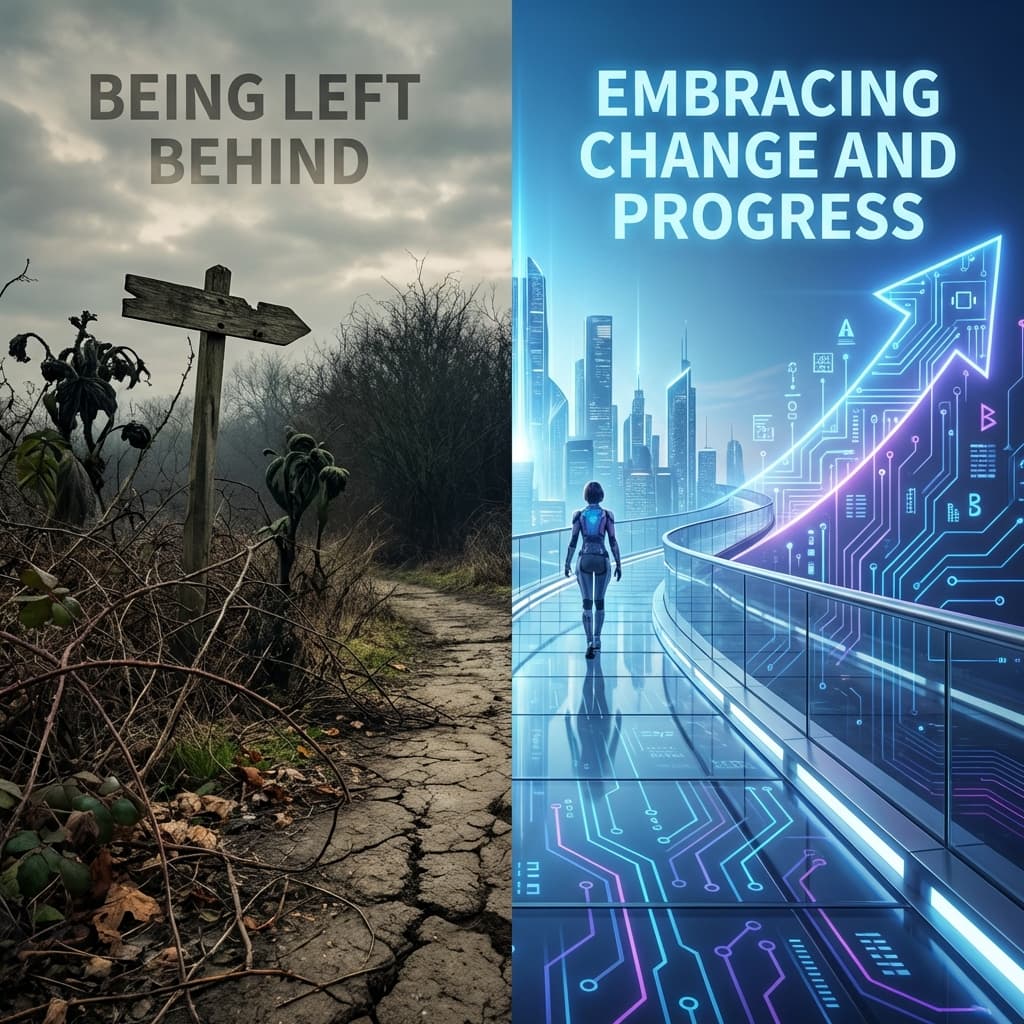
  • A split or dual-perspective image showing two paths: one path stagnant and overgrown with weeds, representing "being left behind," and another path bright, modern, and ascending upward with glowing AI symbols, representing "embracing change and progress."

    A split or dual-perspective image showing two paths: one path stagnant and overgrown with weeds, representing "being left behind," and another path bright, modern, and ascending upward with glowing AI symbols, representing "embracing change and progress."

  • Cross-platform AI tool integration
  • Customized AI solution development
  • Cross-Domain Capability Integration

    Technology + Business:

  • Understand customer needs and market trends
  • Formulate technical implementation plans
  • Control project costs and schedules
  • Provide consulting and advisory services
  • Design + Management:

  • Project planning and resource allocation
  • Team building and task assignment
  • Quality control and standard setting
  • Customer communication and relationship maintenance
  • Exploring Emerging Career Opportunities

    AI Prompt Engineer

    As AI tools proliferate, roles specifically responsible for optimizing prompts and parameters become important:

    Responsibilities:

  • Research and optimize AI generation prompts
  • Establish standardized generation processes
  • Train teams in AI tool usage
  • Solve technical problems in AI generation
  • Skill Requirements:

  • Deep understanding of AI model characteristics
  • Excellent logical thinking abilities
  • Sharp visual judgment
  • Continuous learning and experimental spirit
  • AI Content Quality Control Specialist

    Job Content:

  • Establish quality standards for AI-generated content
  • Design quality inspection processes and tools
  • Train quality control teams
  • Continuously optimize quality systems
  • Development Prospects:

    An abstract optimistic "pathway to the future" visualization. It features glowing data points and lines forming a trajectory toward a distant bright horizon, with subtle 3D generation elements seamlessly integrated into the digital landscape.

    An abstract optimistic "pathway to the future" visualization. It features glowing data points and lines forming a trajectory toward a distant bright horizon, with subtle 3D generation elements seamlessly integrated into the digital landscape.

    As commercial applications of AI-generated content increase, quality control becomes increasingly important, offering significant growth potential for this position.

    Mixed Reality Designer

    Emerging Fields:

  • VR/AR content design
  • Metaverse space design
  • Interactive experience design
  • Immersive media production
  • Skill Combinations:

  • Traditional 3D design skills
  • Proficient AI tool application
  • Interactive design concepts
  • User experience thinking
  • Learning Paths and Skill Maps

    Short-term Learning Goals (1-3 months)

    AI Tool Mastery:

  • Register and become proficient with mainstream platforms like Open3D.art
  • Learn prompt optimization techniques
  • Understand characteristics and applicable scenarios of different tools
  • Establish AI-assisted workflows
  • Portfolio Updates:

  • Create works showcasing AI+traditional skill combinations
  • Document learning processes and skill improvements
  • Build online portfolio platforms
  • Participate in relevant communities and discussions
  • Medium-term Development Planning (3-12 months)

    Professional Deepening:

  • Choose specific industries or application areas for specialization
  • Build professional knowledge systems in those areas
  • Establish connections with industry experts
  • Participate in relevant project practice
  • Business Capabilities:

  • Learn project management and business analysis
  • Understand market trends and customer needs
  • Cultivate communication and marketing abilities
  • Explore business collaboration opportunities
  • Long-term Career Planning (1-3 years)

    Professional Status:

  • Establish expert reputation in specific fields
  • Publish professional articles and case studies
  • Participate in industry conferences and events
  • Become opinion leaders and influencers
  • Business Development:

  • Develop unique service products
  • Build stable customer relationships
  • Explore diversified income sources
  • Consider entrepreneurship or partnership opportunities
  • Industry-Specific Transformation Strategies

    Game Industry Designers

    Transformation Directions:

  • AI asset pipeline specialists
  • Technical art directors
  • Independent game developers
  • Game AI technology consultants
  • Key Skills:

  • Proficient use of AI tools for rapid game asset generation
  • Understanding of game engines and technical limitations
  • Master game design concepts and user experience
  • Track game AI technology developmen...